
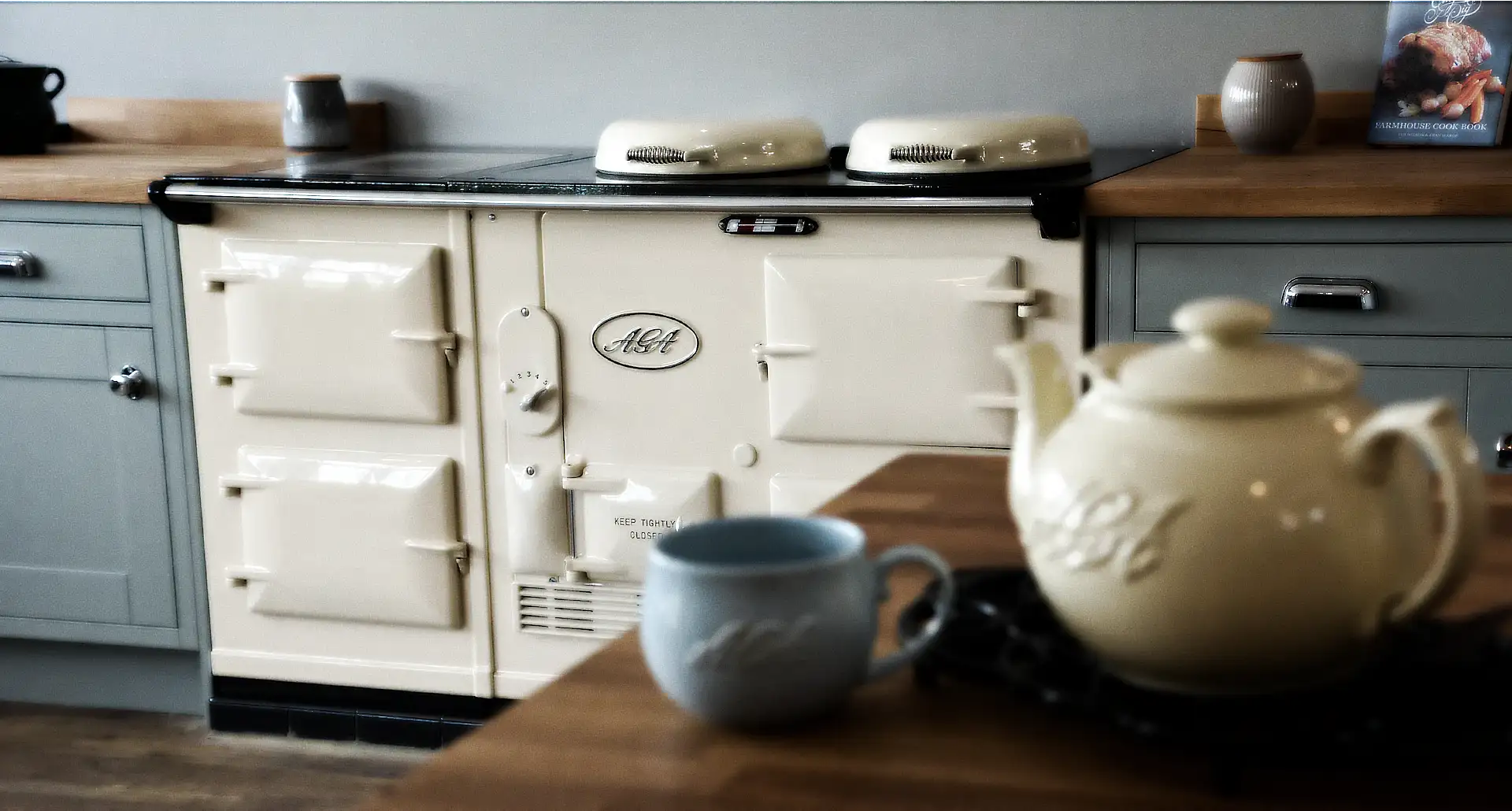
Reconditioned Agas
Beautifully restored Aga cookers, ready to become the heart of your home.
Learn More → 4.7 110 reviews 01748 811030
Reconditioned Agas | Electric Aga Conversions
Reconditioned, converted or lovingly restored. We bring generations of Aga know-how and good old-fashioned service to homes across Yorkshire, Cumbria and the North East.
At our core, we are a family business built on rural roots, muddy boots, and a deep respect for the Aga. We grew up around these iconic cookers, and we understand that for many, they are far more than appliances. They are where muddy dogs dry off, Sunday roasts sizzle, and family memories are made. Every Aga cooking range we restore is hand-built with British-made components, backed by a five-year parts warranty, and delivered with the personal service Yorkshire homes deserve.
Whether you are looking to upgrade to a modern electric Aga conversion, breathe new life into your cherished classic through Aga refurbishment service, or find a beautifully reconditioned Aga model that suits your kitchen, you are in the right place. We offer friendly, knowledgeable advice to help you choose the perfect cooker, one that will feel like part of the family for years to come.
More About Us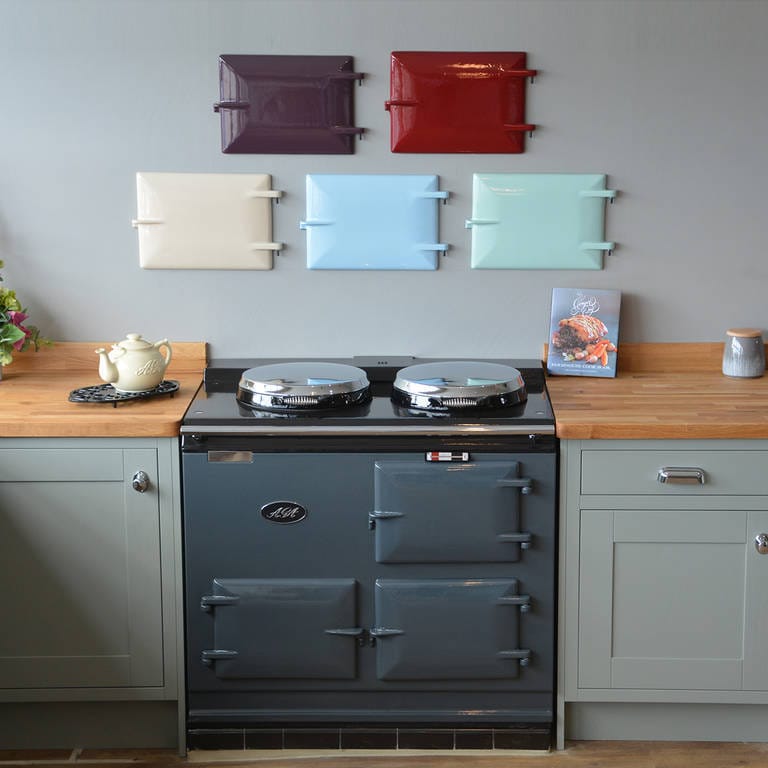




Proudly working where our roots are strongest, with customers who value quality.

We understand what an Aga means to a rural home - because we live it too.
You’ll always get honest advice, expert craftsmanship, and a proper northern welcome.
Over 30 years of Aga restoration experience with trusted quality and care.

We use top-quality British components for every cooker.

Quality and performance guaranteed with every cooker.
Whether you’re looking to upgrade, refurbish, or maintain your beloved Aga, we offer a range of services to keep it running smoothly. From reconditioning and electric conversions to repairs, servicing and Aga flue installation, we handle it all with care and precision.
Beautifully restored Aga cookers, ready to become the heart of your home.
Learn More →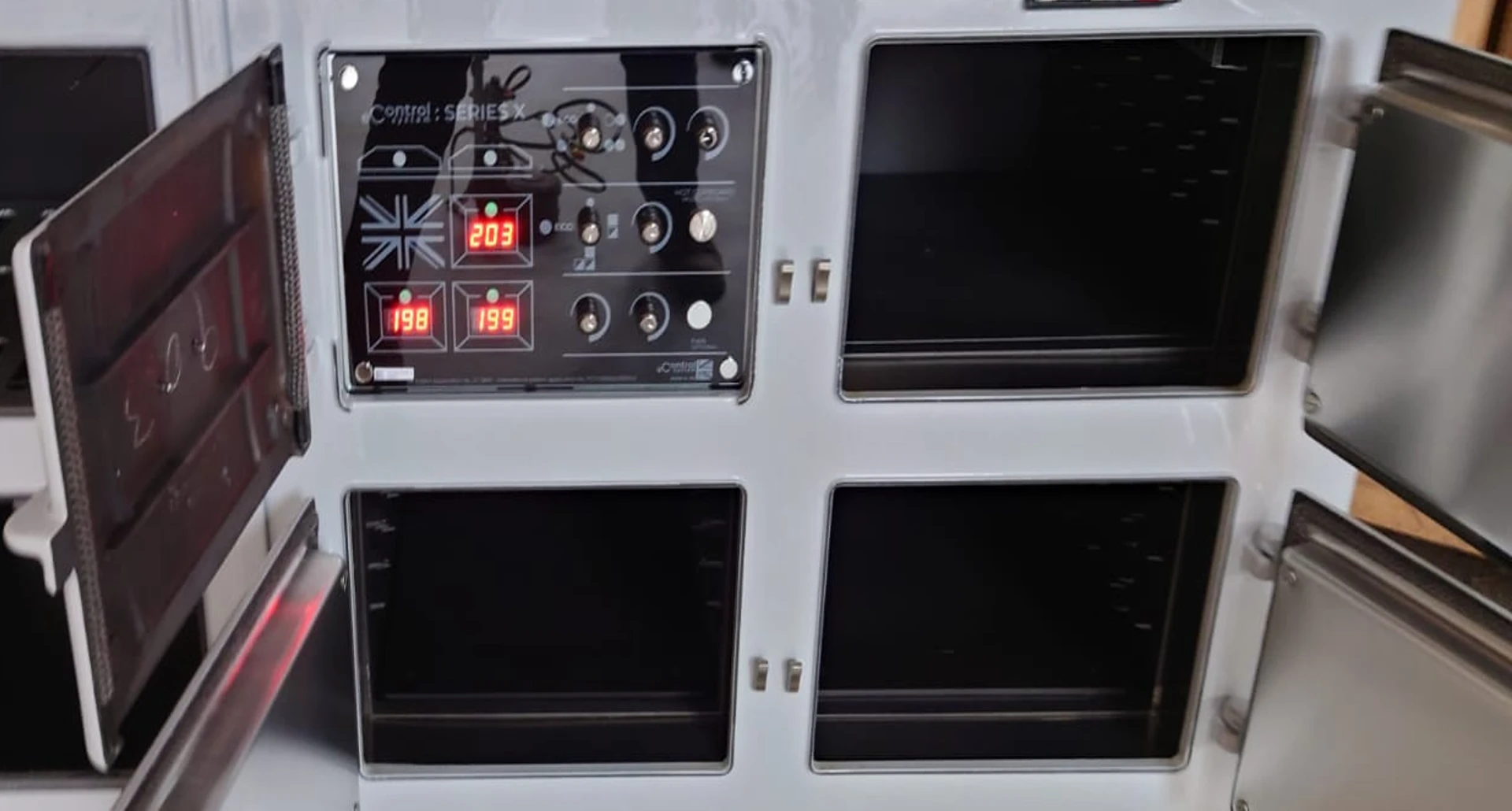
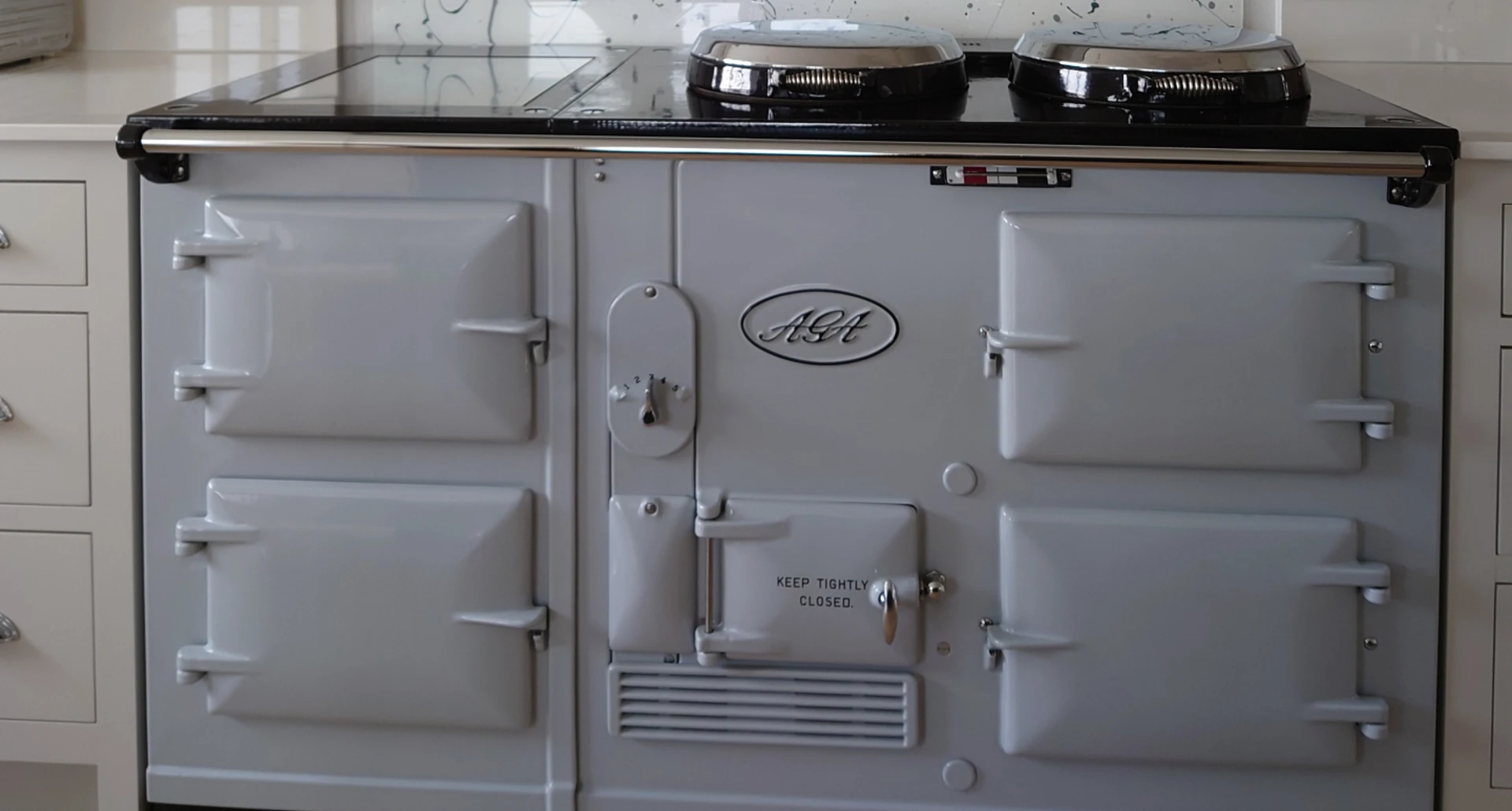
Full refurbishment and re-enamelling to bring a tired Aga back to life.
Learn More →At John Wray Range Cookers, we’ve been helping Yorkshire families upgrade and restore their Agas since 1990. We know every home is different, and every cooker has its own story.
Our showroom is open by appointment so we can offer you relaxed, one-to-one advice, whether you’re exploring conversion options or simply want to chat through what’s possible.
Find out more about our electric Aga conversion services or how to choose the right reconditioned Aga for your kitchen.

Very impressed, professional, courteous, prompt service , thank you
Read more This was our second Aga we purchased from John Wray. The Aga and installation were perfect. Ben noticed an imperfection with the top which we did not notice and came back and replaced it for us. Would recommend them.
Read more John Wray impressive all through the process. Oil Aga converted to Electricity Advanced - this was done effectively and tidily. Easy to operate both manually and by timer (through phone App). Induction hob a big plus. Thank you
Read more Excellent service from our visit to the showroom to the post conversion. All the staff have been helpful. The conversion day was quick, tidy and clean. Like clockwork. Thank you.
Read more The service provided by John Wray was exceptional. I had considered buying a new Aga but am so pleased I decided to have it re enamelled instead - it looks brand new!
Read more Great service, good communication, very professional and clean and tidy. Took time to explain everything clearly. All very straight forward would highly reccomend John Wray Country Stoves
Read more We had an Aga from John Wray in our last house, and have bought another from them now that we have moved. A great company to deal with, absolutely delighted with both the Agas that we bought from them. After sales service is also top notch. Highly recommended.
Read more Very pleased with my wood burning stove, the installation went smoothly and there was no mess whatsoever. They’re very helpful and friendly. Highly recommend the service from start to finish was excellent.
Read more We had the innards of our oil-fired classic Aga replaced with the amazing Electrikit Advanced system. Brilliant, simple and no more oil smells in the kitchen! The service was marvellous from beginning to end: informative, efficient and quick. Stuart and Ben made short work of the conversion, were great to have around and did a thorough clean-up afterwards. We are very pleased.
Read more Stopped for a warm and a Sausage sandwich while out on a bike ride
Read more Excellent service and really pleased with our Aga. We had an extremely old oil cooker that was difficult to remove and we really appreciated how hard Stuart and team worked to remove it. The Aga looks great and works perfectly. I have searched high and low for an old photo of how the old cooker looked but am yet to find one….when I eventually do I’ll update this review to show how much better our whole kitchen looks with the Aga. Thanks to John Wray Country Stoves.
Read more Cosy place to meet up for tea and cake or something from the menu for a tasty lunch
Read moreShowing our 12 most recent Google reviews, newest first. No filtering by rating. Read all 110 on Google.